
A Place That Helps People Become Themselves
 Some places shape your life so deeply that it becomes difficult to imagine who you would have been without them. For Lauren McKinley Renzetti, that place is Unicamp.
She first arrived there in 1984 as a 14-year-old participating in the EAGLETS program, searching for something she couldn’t quite name — a spiritual practice, a sense of belonging, a place where she felt fully herself. What she found at Unicamp was not just a camp, but a community that immediately felt like home.
More than forty years later, she can still say that feeling has never left.
One of the most remarkable things about Unicamp is that it creates space for people to discover who they are. Especially for young people, it offers freedom to explore identity, creativity, spirituality, and community in a setting rooted in acceptance and care.
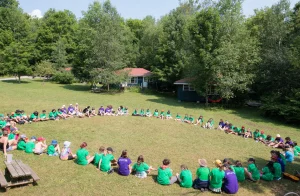
The Unitarian Universalist values that guide camp life are not just discussed — they are lived. At Unicamp, children, teens, young adults, parents, and elders all share space naturally and joyfully. It is one of the few places where intergenerational friendships flourish so easily.
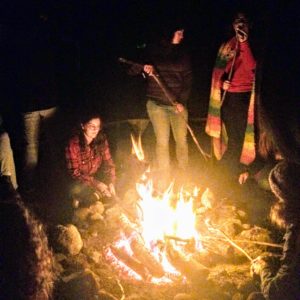
Many of the relationships formed there become chosen family, relationships built over years of shared meals, campfires, laughter, and showing up for one another.
People gather there because they want to be together.
Over the years, Unicamp became far more than a summer destination. It became a place of learning, growth, and transformation.
Every job McKinley Renzetti held there taught her something that shaped the rest of her life. She learned maintenance, childcare, cooking, kitchen management, art instruction, and operations. Eventually, as camp director, she learned leadership, organization, volunteer coordination, and how to support large groups of people working together toward a common purpose.
Unicamp gave her practical skills, but more importantly, it gave her confidence, resilience, and community.
Why Community Matters More Than Ever
In today’s world, intentional community feels increasingly rare and increasingly necessary.
 So much of modern life is built around geography and obligation — where we live, where we work, where we go to school. While those spaces matter, they are not always places where we feel deeply known or connected.
Unicamp is different.
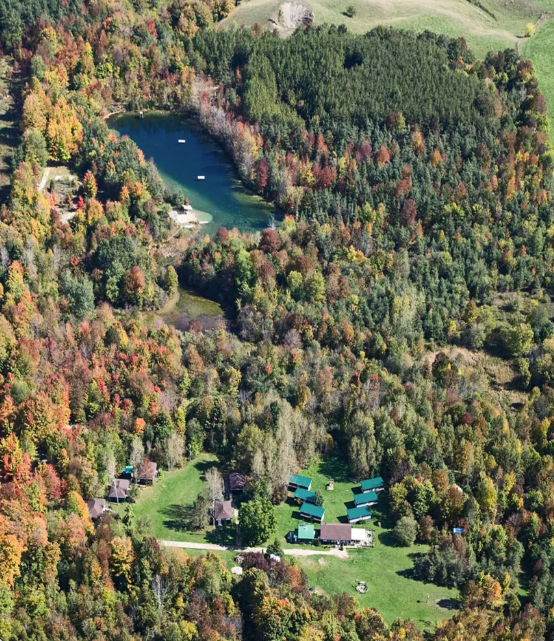
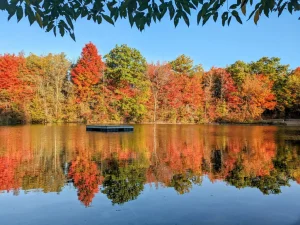
It exists outside the rush of everyday life. It is immersed in nature. It encourages people to unplug, slow down, and interact face-to-face. Conversations happen around campfires, at shared meals, during swims in the pond, or while walking through the trees.
There is time to simply be together.
Post-pandemic, many people are realizing how much we need spaces like this. After years of distance and screens, places where people can simply sit together around a fire, eat together, and talk without rushing can feel surprisingly rare.
Challenges That Strengthened the Community
 Like any long-standing community, Unicamp has faced its share of challenges.
There have been storms that brought down trees, infrastructure problems, fundraising struggles, and years spent fighting to secure ownership of the land itself. One of the biggest battles came in 2012 with the proposed mega quarry that threatened the land surrounding camp.
What stands out to McKinley Renzetti most about that time is how powerfully the community responded.
People of all ages became involved — writing letters, attending rallies, calling MPs, marching in protest, organizing gatherings, and supporting one another through years of advocacy. It was Unitarian Universalist social justice in action, and ultimately, the campaign succeeded.
Even during difficult moments, the spirit of Unicamp remained unchanged.
There was still a Saturday night dance. Still a Sunday service. Still music around the fire, shared meals, and long conversations under the stars.
That continuity matters. It reminds people that community can endure through change.
Chosen Family
For McKinley Renzetti, Unicamp and her UU congregation have become chosen family.
She has few living relatives, and while extended family relationships remain important, the people she’s met through Unicamp and Neighbourhood have been the ones who consistently walked beside her through the seasons of life.
They celebrated milestones, supported hardships, nurtured creativity, and helped shape her children’s formative years.
That kind of belonging is not accidental. It is built slowly, over years of shared meals, campfires, conversations, volunteer work, music, art, laughter, and care.
Learn more about Unicamp and how to join.