Activating the Canadian UU Ecosystem

12:00 pm PT | 1:00 pm MT | 2:00 pm CT | 3:00 pm ET | 4:00 pm AT | 4:30 pm NT (75 min)

“Celebrating Canadian Unitarian Universalism Through the Arts”

Are you a pollinator?

On a Sunday afternoon in my garden, the wooly sunflower is abuzz with at least six kinds of bees and one silent, graceful butterfly. In the plant world, pollinators are essential for reproduction. In the process of seeking their own food, pollinators move pollen from the male to the female part of a flower, enabling fertilization.

Just like pollen, stories are carried from person to person, with the potential to fertilize growth and generate new ideas. Imagine that one congregation finds a way to revitalize volunteer recruitment. The story gets told at an online event. Leaders from fifteen different congregations start playing with the idea in their minds – how might this work in their community? In one congregation, the story gets shared at church dinner. One of the Board members present mentions it at the next Board meeting. Each time the idea is shared, it changes shape, to meet the needs and knowledge of the people who are sharing the story, so that it becomes a better fit for this new community.

In our Canadian UU Ecosystem, pollinators move between groups, inside and outside of the congregation or community, sharing ideas and spreading enthusiasm. Pollinators see opportunities in new ways of doing things and delight in connecting people with ideas. Pollinators listen, watch, and read not only for themselves but also for their community. 

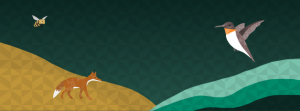
Any animal that moves from flower to flower can be a pollinator. Think of bees, butterflies, moths, and beetles, but also birds, bats, and yes, even wasps. What kind of pollinator are you? 

The Ecosystem project would like to hear from you – participate in our short 6 question survey to tell us how you are a pollinator and what kinds of stories are you sharing! Join us.